
BSc CLS Course in Thane
B.Sc. Clinical Laboratory Science (CLS) is a 3-year undergraduate program that equips science students with comprehensive theoretical knowledge and hands-on laboratory training for careers in clinical diagnostics and healthcare laboratories.
About the Program
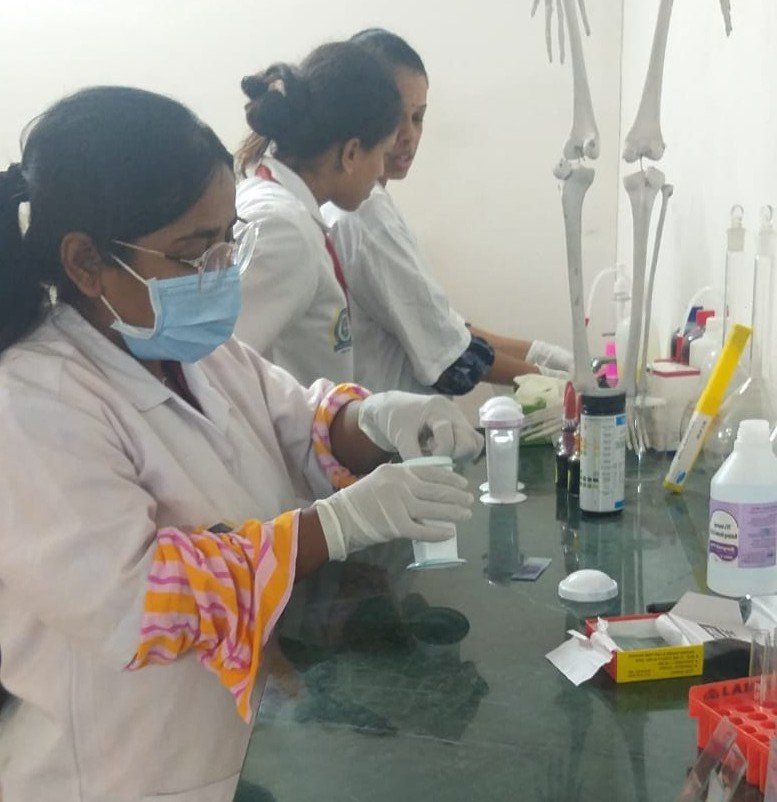
The Bachelor of Science in Clinical Laboratory Science (BSc CLS) is a 3-year undergraduate degree for students who have completed 12th standard in the science stream. The course builds a strong foundation in clinical pathology, biochemistry, microbiology, haematology, immunology, and molecular diagnostics, as well as laboratory safety and quality control practices. Students get hands-on training with diagnostic equipment through practical sessions, internships and clinical exposure, preparing them for real laboratory environments rather than just theoretical knowledge. Eligibility generally requires a minimum aggregate in the science stream at 12th standard, as prescribed by the institute.
Admission
Open
Course Name
B.Sc. Clinical Laboratory Science
UGC Approved
yes
Course Duration
3 Years
Certification
SNDT Women's University
Build a Career in Clinical Laboratory Science
Students who complete 12th standard in the science stream and want a stronger, degree-level path into diagnostics often come across two similar-sounding options, BSc MLT and BSc CLS. A BSc CLS course in Thane takes a broader view of laboratory medicine, treating clinical biochemistry, microbiology, haematology, immunology, and molecular diagnostics as a single, interconnected discipline rather than a set of separate lab skills.
At SPIPS, the BSc CLS program is built for science stream students who want to understand not just how to run a test, but why it matters for a patient’s diagnosis and treatment. The course combines classroom learning with practical lab sessions, preparing graduates for roles across hospitals, diagnostic labs, blood banks and research institutions in and around Thane.

Job Roles
Clinical Laboratory Scientist
Performing and interpreting diagnostic tests across multiple laboratory departments.
Medical Lab Technologist
Handling routine and specialised testing in biochemistry, microbiology and haematology.
Quality Control Analyst
Ensuring lab results meet accuracy and safety standards.
Research Assistant
Supporting diagnostic or biomedical research projects that rely on laboratory analysis.
Blood Bank Technologist
Testing and screening blood samples to ensure safety before transfusion.
Clinical Research Associate
Assisting with data collection and lab-based analysis in clinical trials.
Skills Required
Clinical Laboratory Techniques
Proficiency across biochemistry, microbiology, haematology, immunology and molecular diagnostics.
Diagnostic Instrumentation
Ability to operate and maintain laboratory equipment used for modern medical testing.
Quality Control and Safety
Understanding the protocols that ensure laboratory results are accurate and reliable.
Analytical Thinking
Skill in correctly interpreting test results and recognising when findings require closer review.
Advancement and Salary
Career Advancement
Graduates can move into specialised diagnostic roles or supervisory positions, or pursue postgraduate study, such as an MSc in Clinical Laboratory Science or Medical Laboratory Technology, for further specialisation.
Competitive Salaries
A degree-level qualification like BSC CLS course in Thane typically opens access to better starting roles than a diploma alone, with pay depending on the specific role, employer, and location.
Further Studies
Keep building on your qualification
A BSc CLS can lead to postgraduate programs such as an MSc in Clinical Laboratory Science, Medical Laboratory Technology, or specialised certifications in areas like microbiology or molecular diagnostics.
Career Opportunities
Hospitals and Diagnostic Labs
Graduates work across departments performing tests that support diagnosis and treatment decisions.
Pathology and Research Labs
Advanced training in histopathology and cytology opens doors to specialised diagnostic and research support roles.
Pathology Labs
Roles in analysing tissue and cytology specimens to identify diseases such as cancer.
Research Institutions
Supporting diagnostic or biomedical research in universities, hospitals or pharmaceutical companies.
Frequently asked questions
BSc CLS stands for Bachelor of Science in Clinical Laboratory Science, a 3-year undergraduate degree that covers clinical biochemistry, microbiology, haematology, immunology, and molecular diagnostics.
Students who have completed the 12th standard in the science stream and meet the institute's minimum aggregate can apply.
Both are degree-level laboratory science courses, but BSc CLS takes a broader clinical view across biochemistry, microbiology, haematology and molecular diagnostics as one connected field, while BSc MLT focuses more specifically on laboratory technology and procedures.
Graduates can work as clinical laboratory scientists, lab technologists, quality control analysts or research assistants across hospitals, diagnostic labs, blood banks and research institutions.
Yes, the course combines theory with hands-on laboratory sessions, internships and clinical exposure so students work directly with diagnostic equipment and procedures.
Yes, graduates can pursue postgraduate programs such as MSc in Clinical Laboratory Science or Medical Laboratory Technology, or specialise further through certifications in areas like microbiology or molecular diagnostics.
The certifying university and UGC approval status matter more than the city — SPIPS's BSc CLS in Thane carries SNDT Women's University certification, so students across Thane, Mumbai and Navi Mumbai get the same recognised qualification.
The BSc CLS course at SPIPS is certified by SNDT Women's University and carries UGC approval, making it a recognised undergraduate qualification in clinical laboratory science.
Yes. As a UGC-approved, university-certified undergraduate program, BSc CLS from SPIPS is recognised for employment eligibility across government and private hospitals, diagnostic labs and research institutions.
Students who have completed 12th standard in the science stream, meeting SPIPS's minimum aggregate requirement, are eligible for the 3-year BSc CLS course in Thane.
BSc CLS at SPIPS is a 3-year undergraduate program covering clinical biochemistry, microbiology, haematology, immunology and molecular diagnostics, along with laboratory safety and quality control, taught through classroom learning plus hands-on practical training.
Choose BSc CLS if you want a broader, patient-diagnosis-focused view of clinical laboratory medicine across multiple specialisations; choose BSc MLT if you want a more technology- and procedure-focused laboratory qualification. Both are available at SPIPS in Thane under the same UGC/SNDT certification.