
MSc MLT course in Thane
The PGDMLT program at SPIPS is a postgraduate diploma that provides science graduates with advanced knowledge and hands-on training in medical laboratory diagnostics, preparing them for senior technical, supervisory, and research roles in healthcare.
About the Program
PGDMLT, that is, Post Graduate Diploma in Medical Laboratory Technology, is a postgraduate course for BSc graduates with a science background in chemistry, biochemistry, biotechnology, zoology, or medical laboratory technology. It builds on undergraduate knowledge and adds advanced training in clinical biochemistry, microbiology, haematology, blood banking, histopathology, cytology, immunology and serology. Eligibility generally requires a BSc in a relevant subject with a minimum aggregate as prescribed by the institute. The course is designed for students who want to move beyond entry-level lab work into senior technician, supervisory or research-focused roles within diagnostics and healthcare.
Admission
Open
Course Name
M.Sc. MLT
Course Type
Postgraduate
Course Duration
1–2 Years
University Affiliation
Yes
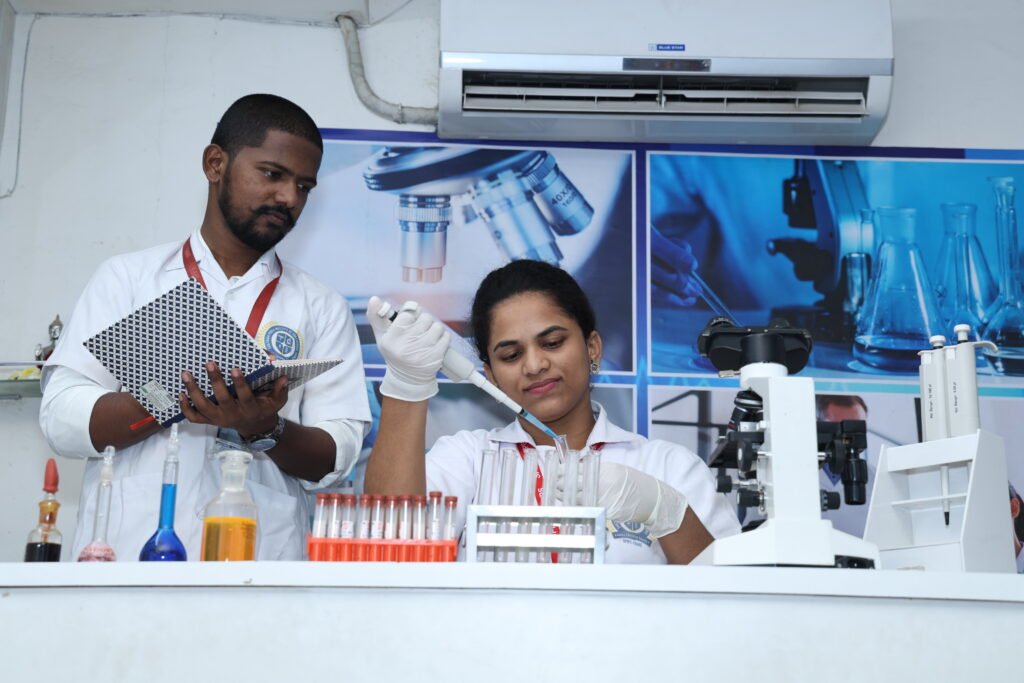
Course Overview
Core Curriculum: Typically includes advanced courses in laboratory techniques, molecular diagnostics, clinical biochemistry, hematology, immunology, microbiology, and pathology.
Research Component: Many programs include a research project or thesis component, allowing students to delve into a specific area of interest within medical laboratory science.
Clinical Training: Some programs offer clinical rotations or internships in hospital laboratories or research institutions, providing hands-on experience and exposure to real-world laboratory settings.
Duration: Generally, the program lasts for 1-2 years, depending on the university and country.
This structured curriculum is what makes the MSc MLT course in Thane at SPIPS a strong choice for students who want both academic depth and practical laboratory exposure in a single postgraduate program.
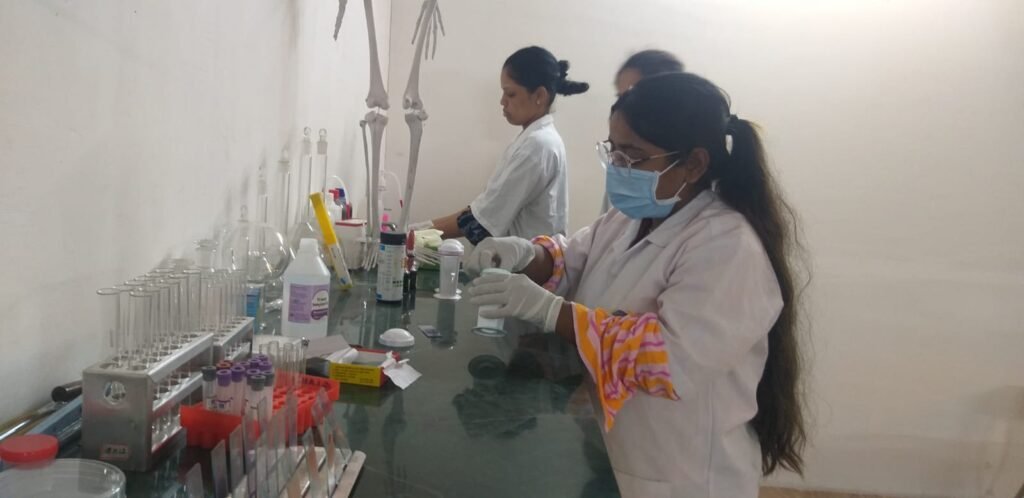
Skills Required
Laboratory Techniques
Proficiency in advanced laboratory techniques and instrumentation.
Critical Thinking
Ability to analyze and interpret complex data and results.
Research Skills
Competence in conducting research, designing experiments, and interpreting scientific literature.
Communication
Effective communication skills for collaborating with healthcare professionals, presenting findings, and writing reports.
Further Studies
Keep building on your qualification
After BSc MLT, some graduates opt for postgraduate studies such as MSc MLT, MSc in Biomedical Sciences, or pursue specialized courses in fields like Clinical Pathology, Medical Microbiology, etc. Choosing an MSc MLT course in Thane is a natural next step for BSc MLT graduates who want to deepen their expertise and move into research, teaching, or senior laboratory roles.
Career Opportunities
Clinical Laboratory Scientist/Technologist
Graduates can work in clinical laboratories of hospitals, clinics, or diagnostic centers, performing tests to aid in the diagnosis and treatment of diseases.
Research Scientist
Opportunities exist in research institutions, pharmaceutical companies, and biotechnology firms, where graduates can contribute to the development of new diagnostic methods and technologies.
Academic and Teaching Positions
Some graduates pursue careers in academia, becoming educators and researchers in universities or medical schools.
Quality Assurance Specialist
In industries related to healthcare and diagnostics, professionals ensure that laboratory procedures and practices meet regulatory standards.
Consultant
Experienced MScMLT graduates may work as consultants for healthcare organizations, advising on laboratory practices, equipment selection, and quality control.
Public Health Officer
Opportunities exist in public health agencies where laboratory professionals contribute to disease surveillance, outbreak investigation, and health policy development.
Frequently asked questions
MSc MLT (Master of Science in Medical Laboratory Technology) is a postgraduate program that provides advanced training in laboratory sciences, molecular diagnostics, and clinical research for medical diagnostics.
The MSc MLT course duration is 1 to 2 years, depending on the university affiliation
Yes, the MSc MLT program is UGC approved and university-affiliated
The MSc MLT curriculum covers advanced laboratory techniques, molecular diagnostics, clinical biochemistry, hematology, immunology, microbiology, and pathology, along with a research project or thesis component.
SPIPS (Savitribai Phule Institute of Paramedical Science), Thane offers a UGC-approved MSc MLT program with expert faculty and placement support.
Yes, SPIPS Thane offers placement support along with expert faculty guidance for the MSc MLT program.
Yes, many MSc MLT programs include clinical rotations or internships in hospital laboratories or research institutions for hands-on experience.
Graduates can work as Clinical Laboratory Scientists, Research Scientists, Academic Educators, Quality Assurance Specialists, Consultants, or Public Health Officers.
You can apply by visiting the SPIPS Thane website and filling out the enquiry/contact form, or by calling the admissions helpline directly.
Yes, MSc MLT is a strong career option in Thane, given rising demand for skilled laboratory scientists across hospitals, diagnostic labs, research institutions, and public health departments in the region.