Every year, when results come out, the same scene plays out in homes across Thane. A student with a decent 12th science score sits with parents who want a stable career, a pile of brochures in front of them, and every brochure says “paramedical”. Nobody at the table can say how a diploma differs from a certificate, or whether either one leads anywhere. If that sounds familiar, it’s worth understanding paramedical courses after 12th properly, because the first programme you pick decides how soon you start working and how far you can climb later.
First, Understand What “Paramedical” Actually Means
Doctors and nurses get most of the attention in healthcare, but they don’t run a hospital alone. Someone runs the blood test that confirms a diagnosis. Someone operates the scanner that finds the fracture. Someone prepares the operation theatre before surgery begins. These people are paramedical professionals, and hospitals can’t function without them.
What most students don’t realise is that this is a family of careers, not a single course. Laboratory work, imaging, operation theatre support, dialysis, cardiac care and emergency response all sit under the same umbrella. The qualification level you enter at, whether certificate, diploma or degree, matters as much as the field you choose.
Certificate, Diploma, Degree: What’s the Real Difference?
Brochures use these words loosely, so here is the practical version.
Certificate courses are the shortest route in, typically a few months to a year. They train you in one narrow skill, such as sample collection or ECG recording. You can start working quickly, but your options stay limited unless you keep studying.
Diploma courses usually run for around two years and cover a whole discipline. You study theory, practise in a lab or clinical setting, and leave with a recognised qualification for an entry-level technician role.
Degree courses run three to four years and go deeper into the science. They open the door to supervisory roles, research and postgraduate study.
Think of it as a ladder. Many students at SPIPS begin on the diploma rung and climb from there, rather than treating the choice as a one-time bet.
Diploma Options Worth Knowing About
Among the paramedical diploma courses after 12th, a few keep coming up because hospitals and diagnostic centres keep hiring for them.
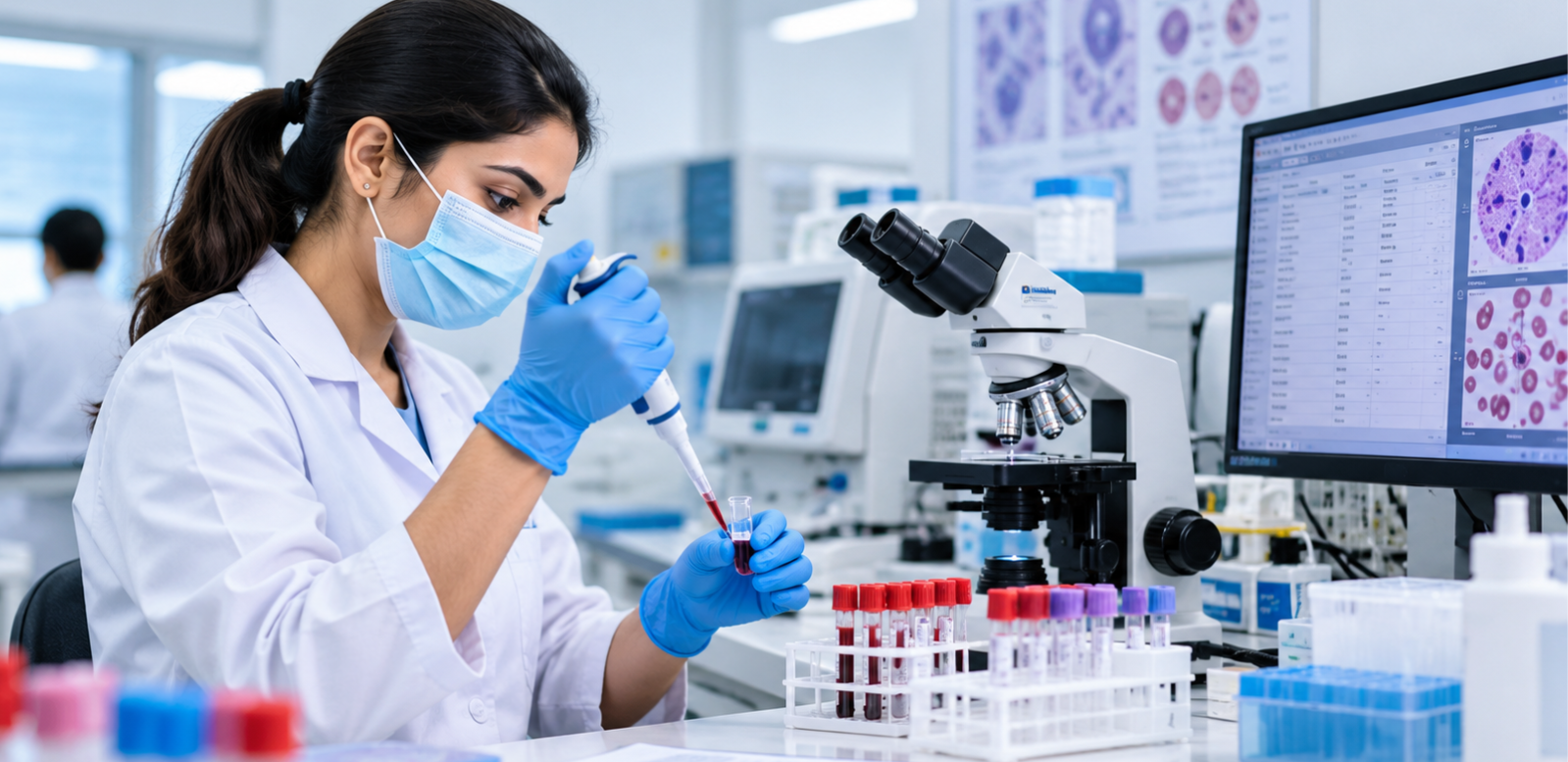
DMLT (Diploma in Medical Laboratory Technology) is the one we see students ask about most. It’s a two-year programme affiliated with the Maharashtra State Board of Vocational Education (MSBVE). The curriculum covers clinical biochemistry, microbiology, haematology, blood banking, histopathology and cytology. In practice, you learn to handle laboratory equipment, run tests, analyse samples, maintain records, and follow safety and quality control procedures. That is a lab technician’s daily work.
Other common diploma routes in the wider paramedical field include radiography or X-ray technology, operation theatre technology, dialysis technology and optometry. Offerings and durations vary by institute and board, so always confirm the details with the institute before you commit.
Where Certificate Courses Fit In
Certificate programmes work well in two situations. The first is when a student wants to start earning sooner and is comfortable beginning with a focused role. The second is when someone already has a qualification and wants to add a specific skill on top of it.
Here’s where things get interesting, though. A certificate alone can limit growth because many employers prefer candidates with a full diploma or degree for technician and technologist posts. If you choose a certificate, treat it as a first step with a plan attached, not as the final destination.
The Eligibility Question Nobody Mentions Early Enough
Most paramedical courses after 12th science are open to students who completed their 12th with Physics, Chemistry and Biology. At SPIPS, programmes such as DMLT, BSc MLT, BSc CLS, and BSc in Radiology and Imaging Technology require a 12th-standard science background. If you studied commerce or arts, check this before you fall in love with a course, because a science background is the entry ticket for lab and diagnostic programmes.
How to Choose Between a Diploma and a Degree
Forget the brochure for a moment and ask yourself three honest questions.
How soon do I need to start earning? If the answer is “as early as possible”, a two-year diploma like DMLT gets you into the workforce sooner.
How far do I want to go? If you’re thinking about senior lab roles, research or teaching, a degree such as BSc MLT or BSc Radiology and Imaging Technology gives you a stronger base.
What do I actually enjoy? Lab diagnostics suits people who like precision and patient, careful work. Imaging suits those who enjoy equipment and technology. Pick the work you can see yourself doing at 7 a.m. on a busy Monday.
Your First Course Is Not Your Last
Many students worry that picking a diploma means closing the door on higher studies. It doesn’t. A DMLT graduate can move on to BSc-level programmes and then to postgraduate options like PGDMLT or MSc MLT, which lead to senior diagnostic, supervisory, and research roles.
Each step also adds practical experience. A student who finishes a diploma, works in a pathology lab for a couple of years and then returns for a degree often has a clearer sense of direction than someone who went straight through. That experience is valuable when you later specialise.
Five Things to Check Before You Enrol
Not every paramedical institute is the same, and a few checks now can save you from a painful discovery later.
- Affiliation and recognition. Ask which board or university the course is affiliated with, such as MSBVE for diploma programmes or a university and UGC approval for degrees. Then ask for proof.
- Hands-on training. A paramedical course taught only in a classroom is half a course. Look for real laboratory or clinical exposure.
- Placement and internship partners. Named organisations matter more than vague promises. SPIPS works with partners including Tata, Pathkind, SRL and Metropolis for internships and placement support.
- Faculty and facilities. Visit the campus. See the labs. Talk to current students.
- Honest answers about outcomes. Be wary of anyone who ensures a specific salary. Pay varies with role, employer, city and experience.
Where Paramedical Graduates Actually Work
The job market is wider than most families expect. Hospitals and nursing homes are the biggest employers, hiring for lab, imaging, and diagnostic support roles. Independent pathology labs and diagnostic chains hire across all qualification levels. Imaging centres need radiographers, blood banks need trained technicians, and research institutions take on graduates for diagnostic and biomedical work.
Healthcare demand doesn’t slow down in a slow economy, which is a big reason families consider this field a dependable choice. People always need tests, scans and procedures.
Making the Decision
Choosing from the available paramedical courses after 12th doesn’t have to feel like a gamble. Start with your stream, your timeline and your interest. Decide whether a diploma, certificate, or degree fits where you are right now, and remember you can build up later. Then verify the institute behind the course, because a recognised qualification with real practical training is worth far more than a shiny brochure.
If you’re weighing your options in Thane, you’re welcome to visit SPIPS, see the labs, and speak with our counsellors about DMLT, BSc MLT, and our other healthcare programmes. A conversation costs nothing, and it usually makes the decision much clearer.